October 1, 2026 Post by : Editorial Beginner Folds
Essential Folding Techniques: The Five Creases Every Paper Pilot Should Master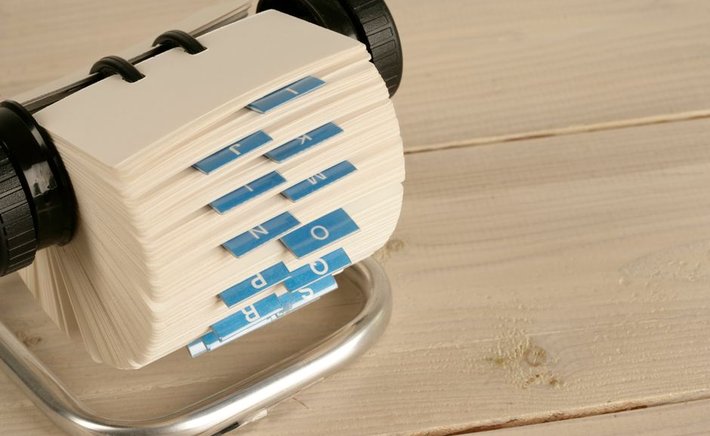
Bigger isn't always better in paper aviation. Some of the most satisfying planes I've folded are made from a single 3 by 5 inch index card, and they fly remarkably well for something that fits in your palm. Index cards have a few advantages over standard printer paper: they're stiffer, they hold a crease beautifully, and they come in colorful packs that make finished planes look like tiny works of art. If you've never folded a micro plane, this is a great weekend project.
Start with one index card, lined or blank, it doesn't matter. Fold it in half lengthwise and unfold. Bring the top two corners to the center crease to form a triangle, then fold that triangle down. Fold the new top corners to the center again, then fold the whole card in half along the original crease. Crease the wings down so they meet the bottom edge, and open them up slightly to form a shallow V. That's a complete micro dart, and it should fly straight with a light flick.
Adjusting for the Stiffer Paper
Index card stock is thicker than printer paper, which changes how the plane behaves. The extra stiffness means the wings hold their shape in flight, so micro planes tend to track straighter than their full-size cousins. But the weight also means they drop faster. To compensate, make your wings slightly wider than you would on a paper dart. A wider wing surface creates more lift, which slows the descent and gives you a longer glide.
You can also try a micro glider. Fold the card in half lengthwise and unfold, bring the corners to the center, then fold the top edge down about half an inch. Fold the corners to the center again and tuck the small triangle flap up to lock everything in place. Fold in half, crease the wings flat and wide, and throw with a gentle push. The result is a stubby little plane that floats surprisingly well for its size.
One thing to watch: index cards crease sharply, but they can also crack if you fold them back and forth too many times. Make your folds deliberate and press them flat with a fingernail or the edge of a ruler. If a crease starts to split, a small piece of clear tape on the inside will reinforce it without adding much weight.
Where Micro Planes Shine
These tiny planes are ideal for situations where a full-size plane would be awkward. Teachers can use them as quick classroom rewards or as a five-minute brain break. Parents can fold a handful for a rainy afternoon and set up a target on the floor using a bowl or a shoebox. Office workers can keep a few in a desk drawer for a stress-relieving flick between meetings.
They're also a great way to practice precision. Because everything is smaller, every crease matters more. If your micro plane veers left, it's usually because one wing is a millimeter wider than the other. That kind of feedback is hard to get from a big plane, where small errors get averaged out. Fold a dozen micro planes from one pack of index cards and you'll sharpen your folding skills faster than you'd expect.

Author

22 feb,2025
This incident opened my eyes to the value of Insurance in general, so I decided to examine my personal and business insurance.




Comment (3)
The payments are made directly from one person to another without passing through a central bank or clearing house.
22 feb,2025
ReplyFold a Paper Airplane From a Single Index Card: Tiny Planes, Big Fun
23 feb,2025
ReplyThe Ring Wing Flyer: A Showstopper Paper Airplane You Can Actually Throw
23 feb,2025
Reply