September 16, 2026 Post by : Editorial Family Activities
Five Paper Airplane Tweaks That Turn a Wobbly Flyer Into a Smooth Glider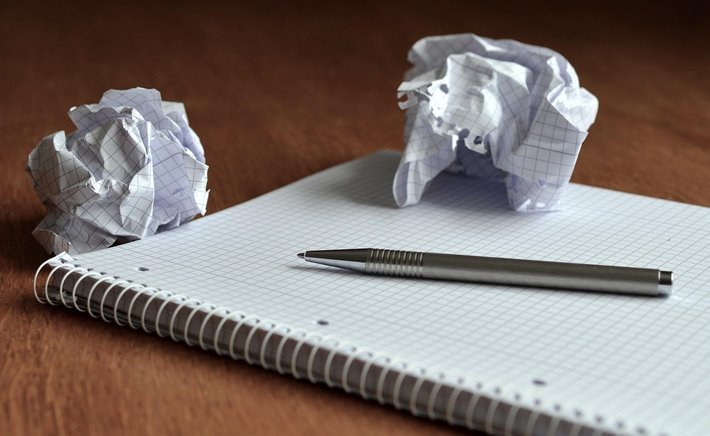
If you have ever watched a group of kids fold paper airplanes, you know the pattern. They fold, they throw, they chase, and about fifteen minutes later everyone is bored because there is nothing to aim for. The fix is simple: turn it into an Olympics. Suddenly the same activity has stakes, teams, and a reason to fold carefully instead of crumpling something together in thirty seconds.
The setup takes almost no planning. You need paper, a clear space, masking tape for a start line, and something to write scores on. That is it. No prizes required, though a paper crown for the winning team is a nice touch.
The Four Events
Distance throw. Each competitor gets three throws and keeps their best. Mark where the plane first touches the ground, not where it slides to a stop. This is the classic event and the one everyone expects.
Accuracy landing. Tape a few targets on the floor at increasing distances, each worth different points. A landing inside the smallest target scores highest. This event rewards a completely different plane design than the distance throw, which is the quiet lesson hiding inside the fun.
Hang time. Competitors throw straight up or at a steep angle and you time how long the plane stays airborne. Light, wide-winged designs win here, and kids quickly figure out that their distance champion is terrible at this event.
Style and landing. This is the judged event. Competitors get points for a smooth launch, a graceful arc, and a clean landing. Let the kids judge each other, or judge it yourself with dramatic commentary. It is the event that keeps less athletic kids in the game, because technique matters as much as power.
Running the Day Smoothly
Set up stations rather than running one event at a time with everyone watching. With more than about six kids, waiting in line kills the energy. Divide into small groups, rotate them through the events, and keep a scorekeeper at each station.
Build in a five-minute redesign break between events. This is the part that turns a game into a learning experience. Encourage kids to test a new fold or adjust a wing angle based on what happened in the last event. Ask them why they think a plane that flew far did not stay up long.
Have a repair pile ready. Planes get stepped on, crumpled, and thrown into walls. A stack of spare paper and a designated folding corner keeps things moving without drama.
Keep the whole thing to about ninety minutes. Any longer and attention spans start to fray, especially with younger kids. Finish with the style event, hand out the crown, and let everyone keep their planes. The best sign of a successful Olympics is kids asking to run it again next weekend, already planning which design they will bring.
Author

22 feb,2025
This incident opened my eyes to the value of Insurance in general, so I decided to examine my personal and business insurance.



Comment (3)
The payments are made directly from one person to another without passing through a central bank or clearing house.
22 feb,2025
ReplyFive Paper Airplane Tweaks That Turn a Wobbly Flyer Into a Smooth Glider
23 feb,2025
ReplyThe Dart vs. The Glider: Two Beginner Paper Airplanes That Teach Completely Different Lessons
23 feb,2025
Reply